
44 Princess Street,
Bundaberg East QLD 4670
Certified Water Damage, Flood Cleanup & Mould Remediation Specialists in Bundaberg. Insurance-Approved, IICRC-Trained Technicians Ready to Respond Within 60 Minutes.
When water intrudes into a Bundaberg property, the city’s unique coastal plain geography and subtropical climate dictate the response. A burst flexi-hose in a modern brick home in a new Bargara estate, a roof leak from a cyclone-driven downpour battering a classic Queenslander in Svensson Heights, or the devastating memory of the 2013 floods that saw the Burnett River inundate over 4,000 homes are all scenarios that demand a specific, localized expertise. Our role extends beyond simply removing visible water. We manage the entire moisture lifecycle according to the globally recognized, and now Australian-adopted, AS/NZS S500 standard.
We are an IICRC-certified firm based in Bundaberg, equipped to handle the specific challenges our local environment presents. From moisture mapping in the wall cavities of post-war homes in Bundaberg South to addressing sub-floor dampness beneath high-set Queenslanders in Avoca, our response is grounded in local building knowledge and scientific drying principles. We work directly with Bundaberg homeowners, property managers, and local insurance brokers like Regional Insurance Brokers or CJL Insurance to provide clear, compliant documentation and a streamlined claims process.
Water damage restoration is a technical discipline requiring certified training and precise equipment. Our team is trained to manage the unique complexities of Bundaberg properties, from modern commercial structures on Bourbong Street to the iconic high-set timber homes that define suburbs like Avenell Heights and Millbank.
We provide 24/7 emergency services from Childers to Moore Park Beach, utilising IICRC-certified technicians who operate Phoenix and Dri-Eaz drying equipment. We understand the local climate, where intense summer humidity can accelerate mould growth within hours of a water event. We apply this knowledge to every job. We deliver clear communication and the AS/NZS S500-compliant documentation your insurer needs, offering a complete restoration pathway for water, flood, mould, and contamination incidents.
This begins with rapid water extraction but focuses on moisture detection within structures. We use thermal imaging cameras and non-invasive moisture meters to map hidden dampness, particularly important for the timber-framed construction common in many Bundaberg homes. Preventing long-term issues like wood rot in floor bearers and hidden mould in wall cavities is our primary goal, a critical concern in our humid climate.
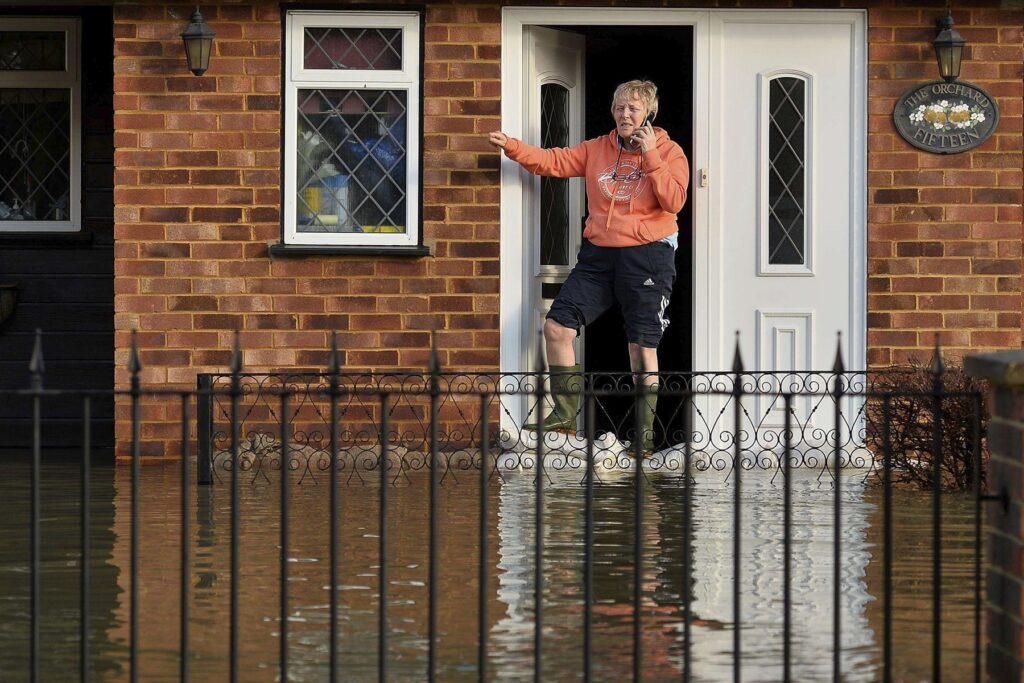
Fast floodwater removal is followed by aggressive decontamination and controlled drying. After the 2013 event, where the Burnett River peaked at 9.53 metres, Bundaberg understands the destructive power of riverine flooding. We classify the water (Category 1, 2, or 3 “black water”), which in a flood scenario is always Category 3, and apply the correct remediation protocol under the S500 standard, mindful of the silt and contaminants carried from the river.
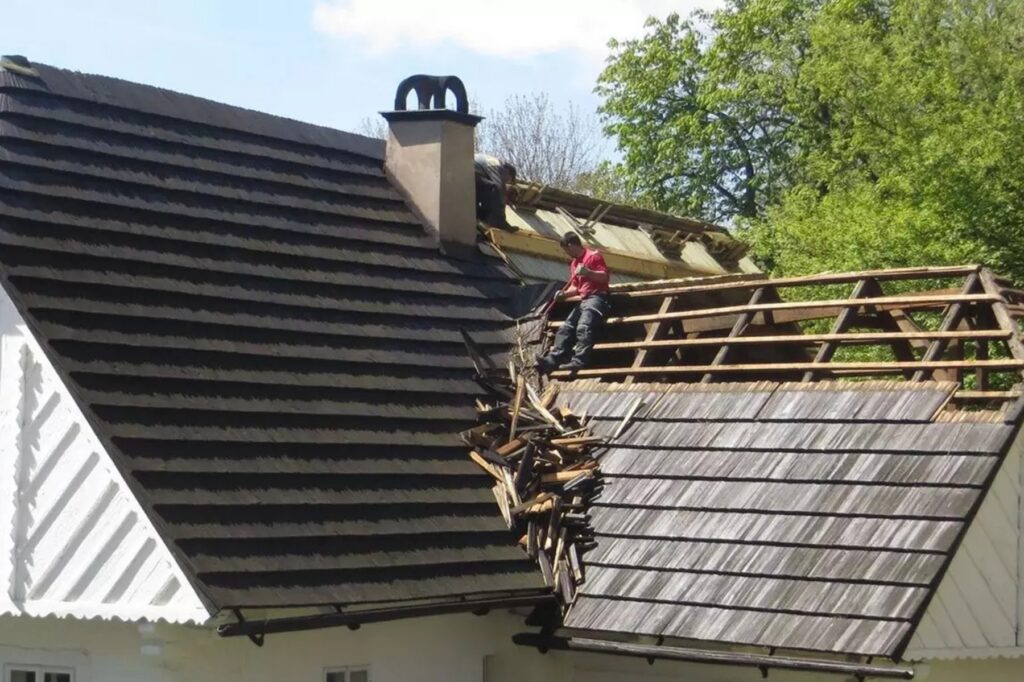
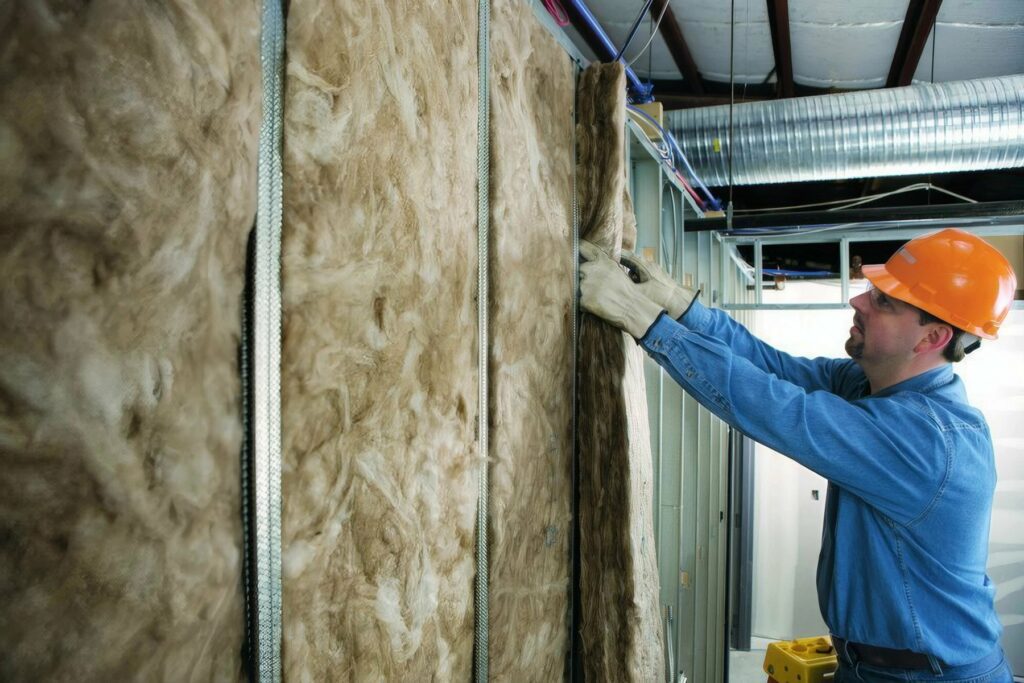
Emergency response for storm-related roof leaks and water intrusion is common during Queensland’s cyclone season. We focus on preventing further damage by addressing saturation in ceiling spaces, insulation, and wall structures before mould can colonise, a risk that appears within 24-48 hours in Bundaberg’s climate.
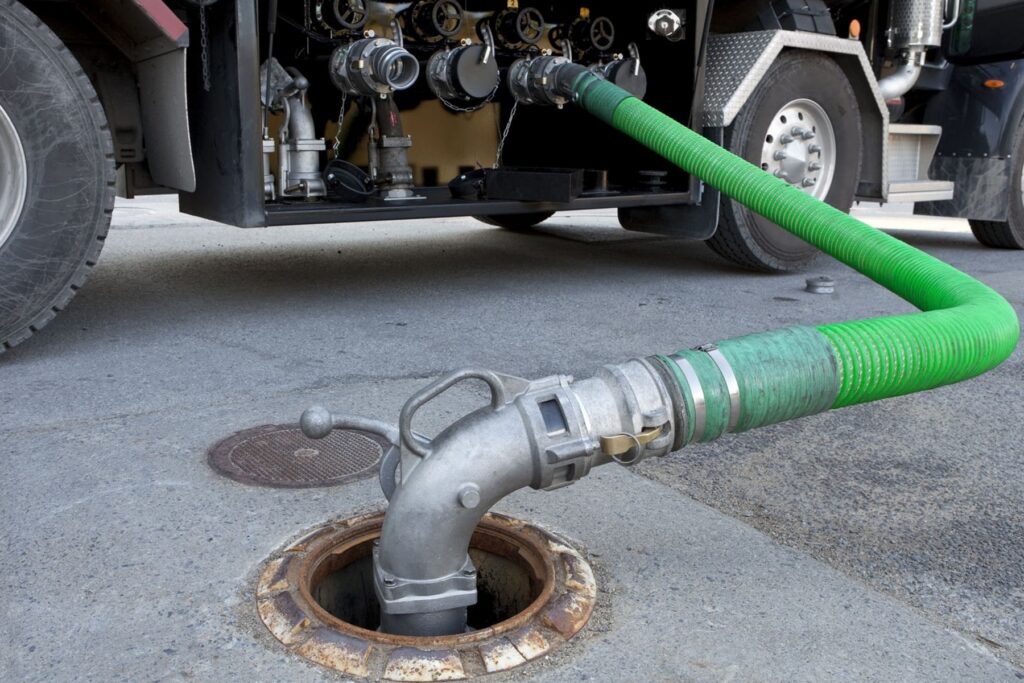
We safely manage the removal of “grey water” from appliance failures and “black water” from sewage backups or flood events. Our process includes professional sanitisation and moisture control to return the area to a safe, habitable condition, following strict IICRC protocols for biohazard cleanup. This is not just cleaning; it’s a matter of health and safety.
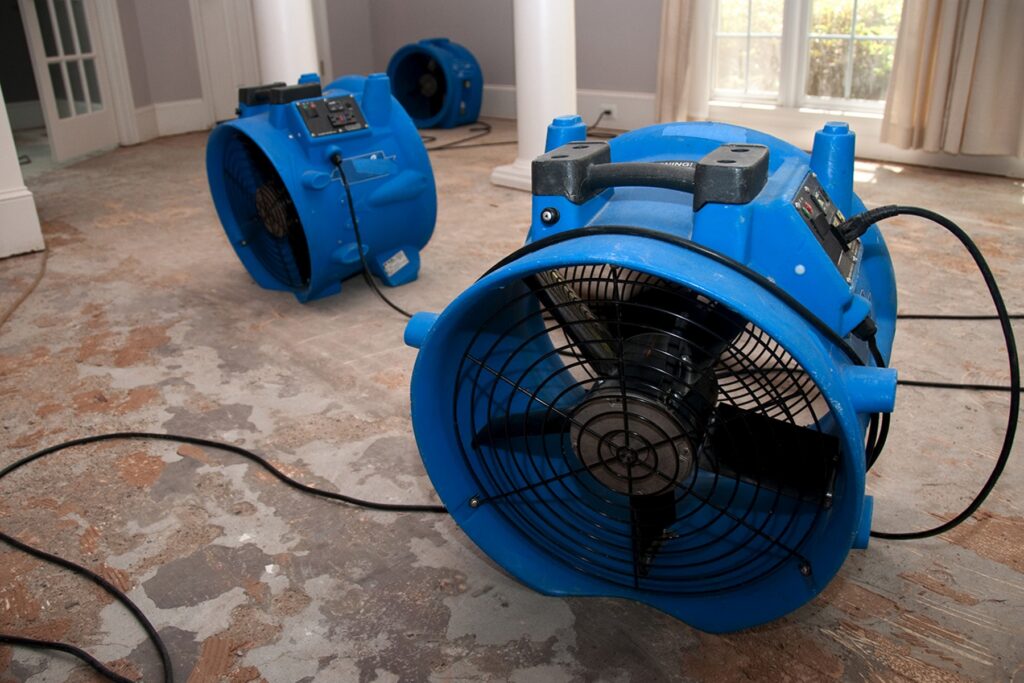
We employ advanced techniques for drying plasterboard (Gyprock), timber frames, and the sub-floor spaces of high-set homes. Using a combination of high-velocity air movers and Low-Grain Refrigerant (LGR) dehumidifiers is essential to combat Bundaberg’s ambient humidity. This creates specific drying conditions tailored to the region’s housing stock, from brick veneers in Kepnock to historic timber builds.
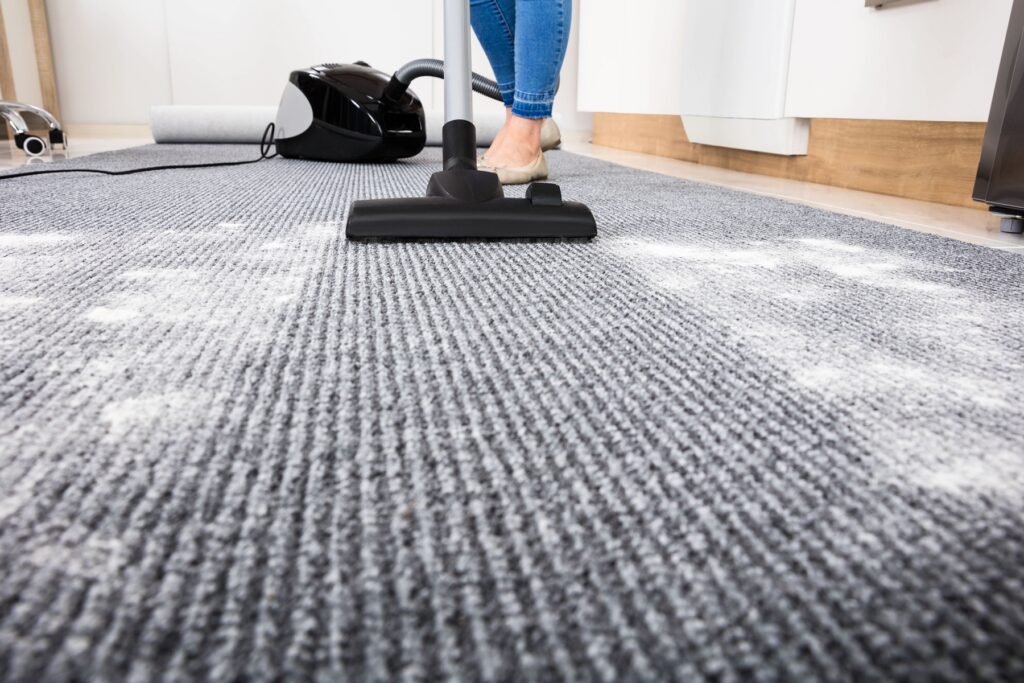
We have targeted restoration processes for high-value materials. This includes using Injectidry systems for polished timber floorboards common in renovated Queenslanders, potentially saving them from cupping and costly replacement. We also have specialised techniques for wet carpets and delicate rugs affected by water ingress.
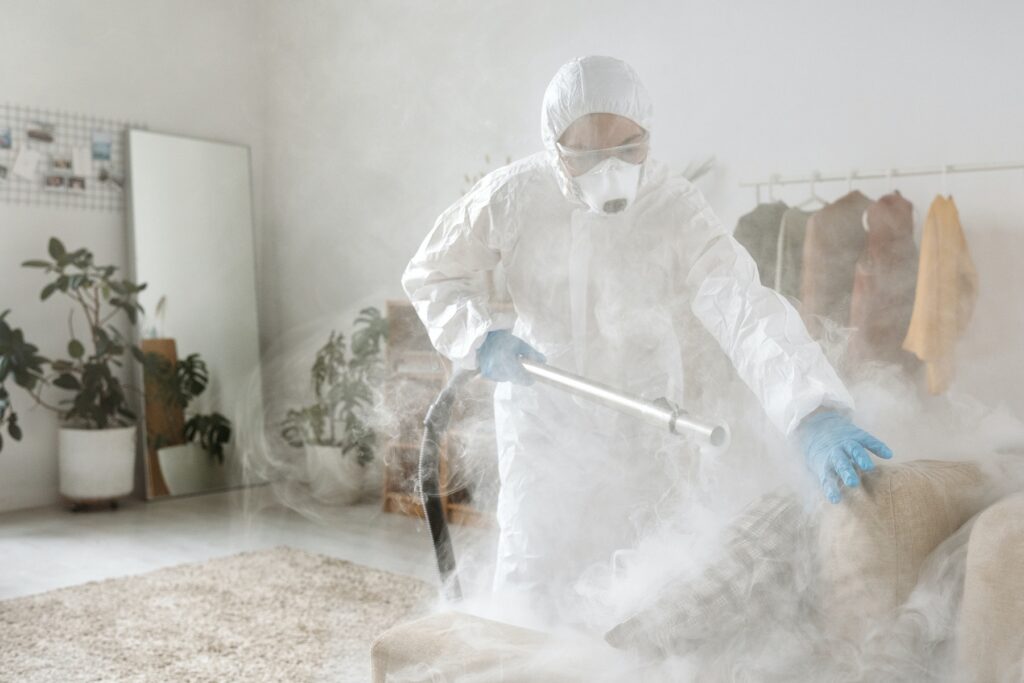
Professional deodorisation and air purification are crucial after a water event. We use ozone treatments and hydroxyl generators to eliminate persistent odours from water, bacterial growth, and mould, ensuring the property is not just dry but also fresh and healthy.
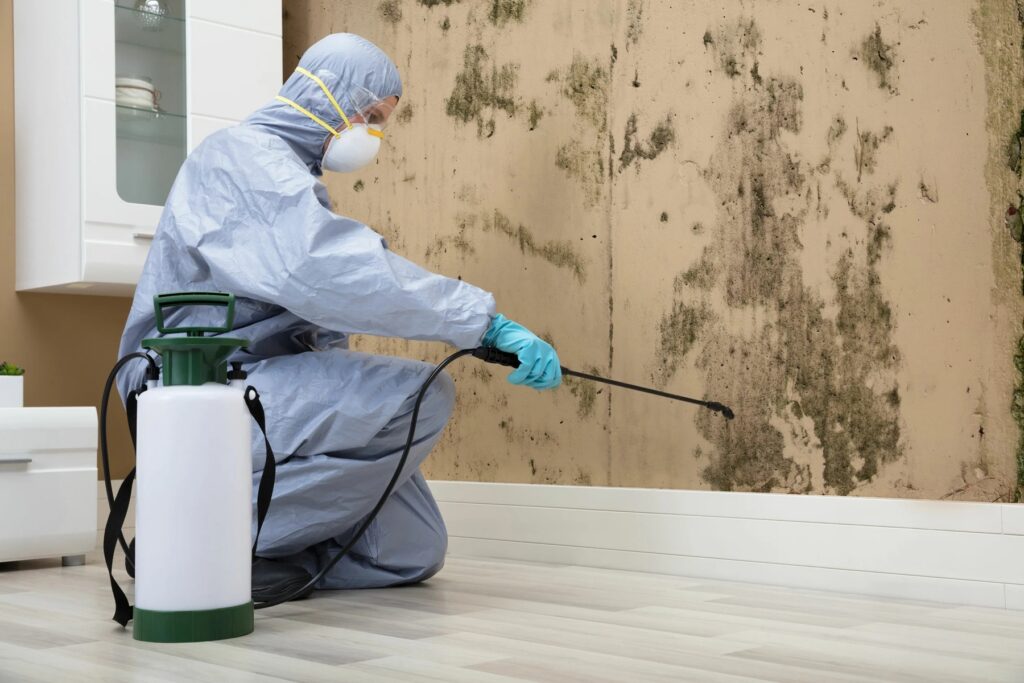
Mould can appear within 24-48 hours of a water event, especially during Bundaberg’s warmer, wetter months. Our IICRC-certified mould remediation process (AMRT) includes inspection, containment of the affected area to prevent spore travel, safe removal of contaminated materials, and addressing the moisture source to stop recurrence, a critical step for QBCC compliance.
We have helped hundreds of Wide Bay-Burnett families and businesses recover from water damage events across a range of property types.
Our teams are strategically positioned to provide rapid water damage restoration services throughout:
Our technicians hold individual certifications from the Institute of Inspection Cleaning and Restoration Certification (IICRC), and we operate as a certified firm. We have managed hundreds of jobs across the Bundaberg region, from minor air conditioner leaks in units to large-scale commercial flooding following cyclone events.
By using commercial-grade extraction systems, LGR dehumidifiers, air movers, and thermal imaging cameras, we ensure all moisture is removed to protect the structure. Every project strictly follows the AS/NZS S500:2025 Standard for Professional Water Damage Restoration. This framework, now the official Australian benchmark, ensures our work meets an international standard for quality and safety. Our commitment to continuous training, including understanding how our work intersects with QBCC regulations for building repairs, allows us to uphold these best practices for Bundaberg properties.


We offer a 24/7 emergency response service across the Bundaberg region. In most cases, our technicians can be dispatched for rapid arrival, from the CBD to the coast, to begin water extraction and damage assessment. Prompt action is the most effective way to limit structural damage.
If it is safe, turn off the mains water supply and the electricity to the affected zones. Do not walk on saturated carpet. Avoid rooms where the ceiling is visibly sagging from water load. Call our Bundaberg restoration team immediately on 07 4580 2784 for professional guidance.
The active drying phase typically takes 3 to 5 days. The timeline depends on the severity of the water intrusion, the materials affected (e.g., concrete vs. timber floorboards), and Bundaberg’s ambient subtropical humidity. We use moisture monitoring equipment to verify that structural materials have reached their dry standard (typically below 16% moisture content for timber) before we complete the project.
Yes, if the moisture is not professionally and rapidly removed. Mould spores are always present, and they can begin to colonize damp materials like timber and plasterboard within 24 to 48 hours in our warm, humid climate. Rapid, science-based drying is the only effective preventative measure.
Yes. Our IICRC-certified technicians provide professional mould remediation (AMRT certification). This includes a full process of inspection, setting up containment, safe removal of contaminated materials, and correcting the moisture problem that caused it, all in line with industry and QBCC standards.
The cost is determined by the extent of the damage, the size of the property, and the specific materials involved. After our initial inspection and moisture assessment, we provide a detailed, transparent quote before starting any work, with clear itemisation suitable for insurance claims.
When you require a fast, IICRC-certified, and reliable restoration service that understands the unique challenges of our Bundaberg climate and flood history, call us. We are here to help you recover, from initial cleanup to final restoration.